Missing one or more teeth can change everyday routines in ways you might not expect. Perhaps certain foods have become difficult to chew, or you find yourself wondering which replacement option will feel most comfortable. Fortunately, modern dentistry offers several ways to restore your smile and make daily life easier.
Two popular solutions are dental implants and dentures. Both can replace missing teeth, but they work differently and offer distinct benefits. If you’re considering dental implants in Surprise, AZ, understanding these differences is an important first step.
At Bell Road Dentistry, we believe tooth replacement should reflect your health, preferences, and long-term goals. Here’s what to know before deciding which approach might be right for you.
What Are Dental Implants?
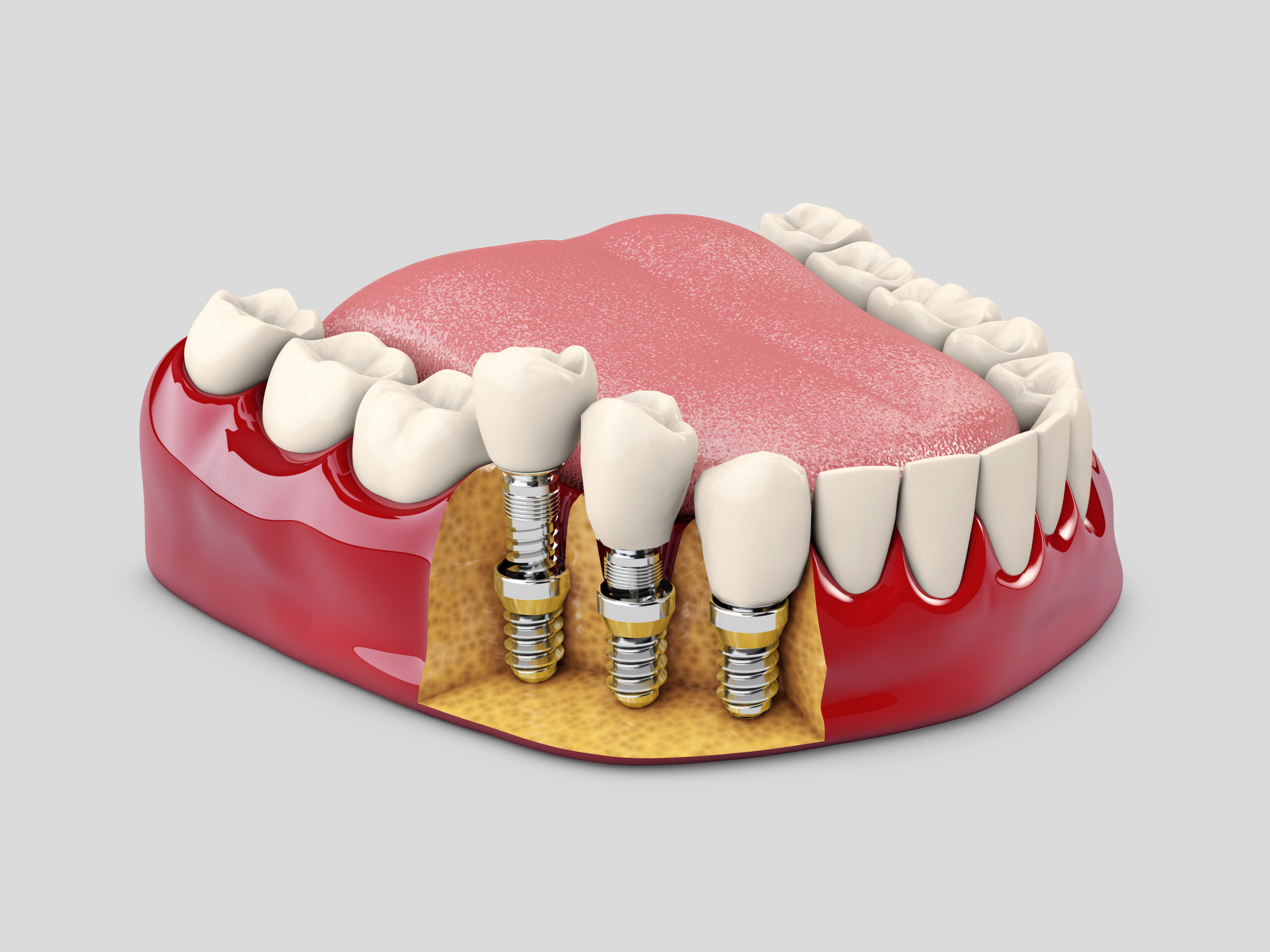
Dental implants are small posts, commonly made from titanium, that are placed in the jawbone to support replacement teeth. After the surrounding bone has healed around the implant, a custom restoration can be attached.
Depending on your needs, dental implants may support a single crown, a bridge, or a larger restoration that replaces several teeth.
Unlike traditional dentures, dental implants receive support from the jaw rather than resting entirely on the gums. As a result, they can provide stability when eating and speaking.
However, getting dental implants involves careful planning and a healing period. Your dentist will evaluate your gums, remaining teeth, medical history, and available bone before recommending treatment.
How Are Dentures Different?
Dentures are removable appliances designed to replace missing teeth and surrounding gum tissue. They can be an excellent option for people who have lost several teeth or an entire arch.
There are two common types:
- Full dentures: Replace all teeth in the upper or lower arch.
- Partial dentures: Replace several missing teeth while working around the natural teeth that remain.
Traditional dentures generally rest on the gums and may use suction, clasps, or adhesives for additional support. Consequently, some patients notice movement when eating certain foods or speaking.
Nevertheless, dentures remain an established tooth replacement option. They do not ordinarily require implant surgery, and their initial cost may be lower.
For patients who want greater stability, implant-supported dentures may combine features of both treatments.
Dental Implants vs. Dentures: Comparing Everyday Benefits
Comfort and Stability
Dental implants are anchored in the jawbone, allowing replacement teeth to remain securely supported. This can reduce the shifting that sometimes occurs with removable dentures.
Meanwhile, well-designed dentures can be comfortable when properly fitted and maintained. However, changes in the gums and jawbone may affect their fit over time, making adjustments necessary.
Eating and Speaking
Replacing missing teeth can improve your ability to chew a wider variety of foods. Dental implants may offer advantages for chewing stability, particularly when replacing multiple teeth.
Traditional dentures also restore important function, although some foods may require modifications or extra care.
Additionally, both options may involve an adjustment period. Your dentist can explain realistic expectations for speaking, eating, and getting comfortable with your restoration.
Jawbone Health
When a natural tooth is lost, the jawbone in that area no longer receives the same stimulation through the tooth root. Over time, this can contribute to bone loss.
Dental implants transfer chewing forces into the surrounding bone and can help preserve bone around a successfully integrated implant.
Traditional dentures replace visible teeth but do not provide the same direct stimulation to the jawbone.
Importantly, dental implants do not eliminate every possibility of future bone changes, and maintaining healthy surrounding tissues remains essential.
Long-Term Maintenance
Dental implants require brushing, cleaning around the restoration, and regular dental appointments. Although the implant itself cannot develop a cavity, the surrounding gum and bone can become unhealthy without proper care.
Dentures need daily cleaning and should be removed according to your dentist’s instructions. In addition, they may need relining, repair, or replacement as your mouth changes.
Neither option is maintenance-free. Therefore, the most suitable choice is one you can care for consistently.
Who May Be a Good Candidate for Dental Implants?
Many adults with missing teeth may be candidates for dental implants in Surprise, AZ. However, eligibility depends on several individual factors.
Your dentist will consider:
- The amount and condition of available jawbone.
- Your overall health and medical history.
- The health of your gums and remaining teeth.
- Whether you smoke or use tobacco products.
- Your willingness to maintain daily oral hygiene.
- Your treatment goals, timeline, and budget.
Some patients need additional procedures, such as bone grafting or gum disease treatment, before an implant can be placed. Others may benefit more from a different restoration.
At Bell Road Dentistry, Dr. Kip Nielsen uses modern imaging when appropriate to evaluate anatomy and support individualized treatment planning.
Learn more about our dental implant services and how the evaluation process works.
What About Implant-Supported Dentures?
Tooth replacement does not always require choosing between fully removable dentures and individual implant crowns.
Implant-supported dentures use strategically placed dental implants to provide additional stability for a larger restoration. Depending on the design, the denture may be removable by the patient or fixed in place and removed only by a dental professional.
These solutions may improve chewing comfort and reduce unwanted movement compared with conventional dentures. However, treatment still requires adequate support, careful planning, and ongoing maintenance.
For people missing most or all of their teeth, full-arch dental implants may also be worth discussing.
How Much Do Dental Implants and Dentures Cost?
Cost is understandably an important part of the decision. Traditional dentures often have a lower initial price than implant treatment. However, dentures may require future adjustments, replacements, or repairs.
Dental implants typically involve a higher upfront investment because treatment may include surgery, imaging, custom restorations, and additional procedures when needed.
Therefore, comparing only the initial price may not tell the full story. Consider maintenance, anticipated longevity, comfort, and the potential need for future dental work.
Bell Road Dentistry offers information about financing options, and our team can help explain available payment arrangements. Actual costs and eligibility depend on your treatment plan.
Frequently Asked Questions About Tooth Replacement
Are dental implants better than dentures?
Not automatically. Dental implants may offer greater stability and bone support, while dentures can provide a less invasive and more affordable initial approach. Your dental health and priorities determine which benefits matter most.
Can I switch from dentures to dental implants?
Some denture wearers can transition to implant-supported restorations. However, the condition of your gums and jawbone must be evaluated first.
How long do dental implants last?
Implants can function for many years with good care, but no particular lifespan is guaranteed. The restoration attached to an implant may eventually need maintenance or replacement.
Find the Tooth Replacement That Fits Your Life
Whether you’re exploring dental implants, traditional dentures, or a combination of both, the best decision begins with understanding your options. An examination can help clarify what is possible and which treatment aligns with your needs.
Bell Road Dentistry welcomes patients from Surprise, Sun City, Sun City West, and surrounding West Valley communities. Our goal is to explain your choices clearly so you can make a comfortable, informed decision.
Ready to discuss tooth replacement? Schedule a Consultation with Bell Road Dentistry in Surprise, AZ, or Call Us Today at (623) 246-5025.